

 Call Us Now
 E-Mail Us Now
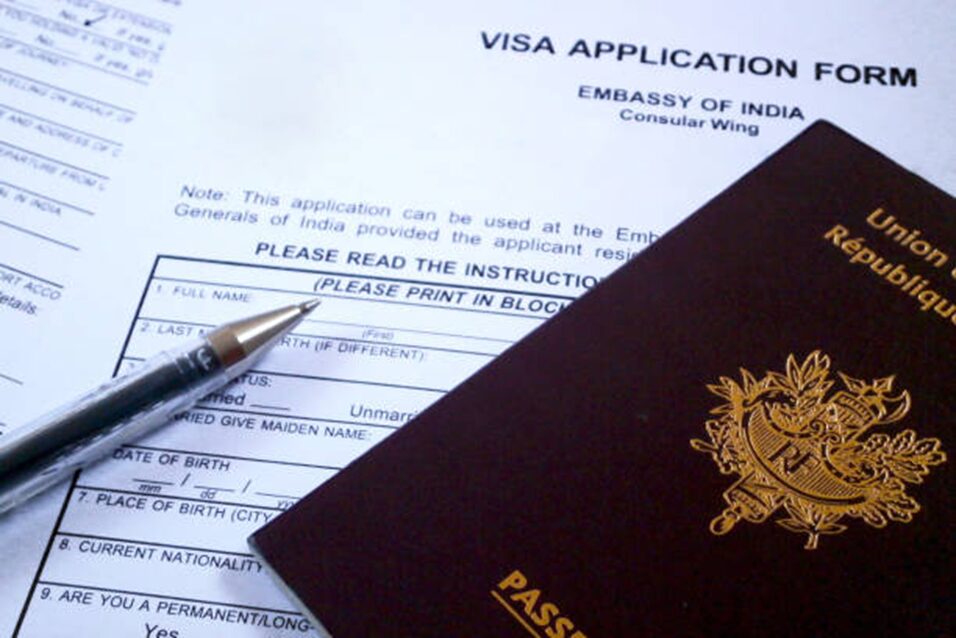
Proving a parent child relationship for a CR2 or IR2 visa application is one of the most important steps in the immigration process. Parents and guardians often feel overwhelmed because the evidence rules are detailed and the documentation must be accurate and consistent. USCIS only approves cases that clearly demonstrate a legitimate relationship, and any missing or unclear paperwork can lead to delays. Working with experienced legal professionals such as Sadri Law Group can help families prepare well organized evidence from the start. This guide explains what USCIS expects, how to collect the correct documents, how to handle gaps in records, and when you may need legal support.
A strong family based immigration application depends on proper documentation and a clear demonstration of the relationship. Every family is unique, so understanding the requirements early helps ensure a smooth and successful application.
Understanding the IR2 and CR2 Visa Categories
The IR2 and CR2 visa categories were created to allow children of United States citizens to immigrate and reunite with their families. While both visas serve unmarried children under specific age limits, the difference between the two lies in the length of the parent’s marriage. IR2 visas apply to children of parents whose marriage has existed for more than two years at the time of approval, while CR2 visas apply to children whose parents have been married for less than two years. Both categories require strong evidence of a genuine parent child relationship, but each follows the same documentation standards and USCIS verification procedures. Understanding these categories helps parents determine which visa their child qualifies for and what documentation they must prepare to support the application.
Why proving the parent child relationship is required
The IR2 visa is intended for the unmarried children of a United States citizen under the age of 21. The CR2 visa applies to children of recently married couples where the parent’s marriage is less than two years old. USCIS must verify the parent child relationship to confirm that the child qualifies for immigration benefits. Officers review the evidence to ensure that the family connection is valid and that the child falls within the legal definition of a biological child, stepchild, or adopted child.
USCIS requires proof of the relationship to prevent fraud and to ensure that immigration benefits are given only to eligible family members. Demonstrating the relationship clearly from the beginning helps reduce delays and gives officers confidence in the application.
How USCIS verifies family ties
USCIS relies on official civil records, legal documents, supporting evidence, and sometimes interviews to verify family ties. Officers evaluate documents to ensure that dates match, names are consistent, and the records come from legitimate sources. If anything appears unclear, USCIS may request additional proof through a Request for Evidence. When cases involve missing documents or complicated histories, families may need to submit secondary evidence that supports the relationship. USCIS assesses all evidence carefully before approving an application.
Required Evidence to Prove Parent Child Relationships
USCIS requires families to provide documents that clearly confirm the identity of the child and the relationship to the parent. The evidence must be authentic, legible, and consistent with other documents in the application. When preparing your packet, it is important to ensure that every document is translated into English if needed and that copies are complete and readable.
Primary civil documents USCIS expects
Primary documents carry the strongest weight in immigration cases. These are official government issued records that directly establish the relationship. Families should prepare the following when available:
- Birth certificate listing the parent
- Hospital birth documentation
- Adoption decrees
- Marriage certificates for stepchild cases
- Legal custody or guardianship orders
These documents form the core of the application and must be submitted in the clearest and most complete form possible.
Supplemental evidence when documents are missing
Some families come from areas where civil documents are difficult to obtain or where records were never issued. In these situations, USCIS allows supplemental documentation. This evidence helps cover gaps and demonstrates that the relationship is genuine. Examples include:
- Medical records from early childhood
- School enrollment forms
- Religious records
- Family photographs
- Letters or communication between parent and child
Although this evidence is secondary, it can be extremely helpful when primary documents are incomplete.
Proving Biological, Stepchild, or Adoptive Relationships
USCIS evaluates each type of parent child relationship differently. Understanding what the officer expects can help families avoid errors when collecting their documents.
Evidence for biological parent child cases
Biological relationships are typically proven with a birth certificate that lists the parent. When birth certificates were issued years after the actual birth, USCIS may require additional proof to confirm authenticity. Families can strengthen their case with childhood records, medical files, or photos showing parent involvement over time. DNA testing is optional but can be submitted when available records are limited.
Evidence for stepchild eligibility
A child may qualify as a stepchild if the marriage between the United States citizen and the child’s biological parent occurred before the child turned 18. To prove this relationship, families must provide the marriage certificate and the child’s birth certificate. USCIS may also request evidence of communication, shared residence, or financial support to confirm that the step parent has played an active role in the child’s life.
Evidence for adopted children
Adopted children must meet specific legal standards for immigration purposes. Families must show a final adoption decree and provide records demonstrating legal custody and joint residence for the required period. USCIS reviews adoption cases closely to ensure that all federal standards were met before the application was filed.
Handling Document Issues and Inconsistencies
Some families face challenges such as missing paperwork, differences in spelling, or documents issued long after a birth or adoption took place. USCIS expects families to address these issues directly in the application.
Using secondary evidence
Secondary evidence can help fill in missing information. This type of documentation provides additional details that support the relationship, especially when civil records are unavailable. Examples include childhood medical notes, religious records, and early school files. The evidence must be consistent with the timeline of the child’s life.
When affidavits may be needed
Affidavits are written statements from people who personally know the parent and child. These statements can be used when other documents are unavailable. An affidavit should explain how the writer knows the family and what they have witnessed. Although affidavits support the case, USCIS usually requires them along with other evidence, not in place of it.
USCIS Review and Interview Expectations
Understanding what USCIS looks for can help families prepare their evidence more effectively and reduce the chance of delays.
What officers look for
Officers review the consistency of documents and examine whether the timelines match what is claimed in the application. They also evaluate whether documents appear legitimate and whether translations are accurate. Officers want to see a clear and credible history that supports the relationship.
Common red flags that slow applications
Some issues may prompt further investigation. These can include late issued birth records, incorrect spellings, inconsistent dates, unclear custody history, or a lack of early documentation. Addressing these concerns early in the process can help avoid delays. Families with complicated histories may benefit from legal support from firms such as Sadri Law Group to ensure their evidence is properly organized.
When to Consult a Child Visa Attorney
Legal guidance can be valuable when a case involves complex family structures or incomplete documentation.
Situations where legal help is recommended
Parents should consider consulting an attorney when dealing with adoption cases, custody disputes, missing or inconsistent records, or international document issues. An attorney can help prepare a strong evidence packet and respond to USCIS requests effectively.
Conclusion
Proving a parent child relationship for the CR2 and IR2 visa categories requires accurate documentation and a clear understanding of USCIS expectations. Families must gather official records, prepare secondary evidence when needed, and ensure that all documents support the relationship timeline. When handled correctly, the process becomes much smoother and increases the likelihood of approval. Parents who review requirements early and prepare well organized evidence give their children the best chance of a successful immigration journey. If you need guidance with preparing your child’s visa application, feel free to reach out through our contact page for support.
Frequently Asked Questions
Can a child qualify if parents were not married
Yes, as long as the parent child relationship can be proven through evidence.
How to prove adoptive relationships
Families must show a final adoption decree, legal custody, and joint residence for the required period.
How long does IR2 and CR2 processing take
Processing times vary depending on case complexity and USCIS workload.
Can legal counsel improve approval success
Yes, an attorney can help organize evidence and address any issues before submission.