

 Call Us Now
 E-Mail Us Now
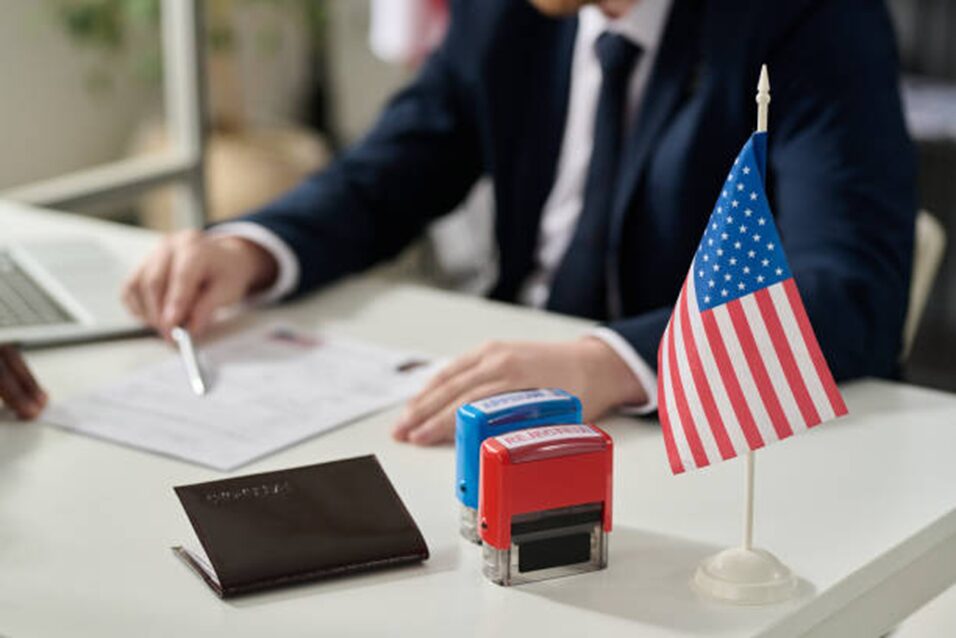
Filing a marriage based immigration petition can be overwhelming, especially when delays can stretch a process that already takes months. Many couples filing CR1 or IR1 petitions want to move forward quickly but are unsure how to avoid unnecessary setbacks. With the guidance of a trusted legal team like Sadri Law, applicants can reduce errors, strengthen evidence, and feel confident about each step. Understanding where delays happen and how to prevent them is one of the most important things any couple can do before filing.
This guide breaks down the most common causes of delays, the evidence USCIS requires, and the attorney strategies that help keep your case moving on time.
Understanding CR1 and IR1 Marriage Visa Categories
CR1 and IR1 visas are both marriage based immigrant visas used for foreign spouses of United States citizens. Although they appear similar, they operate under different timelines depending on the marriage duration at the time of approval.
The CR1 visa is issued when a marriage is under two years old. It grants conditional permanent residency that must later be removed with a separate filing. The IR1 visa is granted when the marriage is more than two years old, resulting in immediate permanent residency without conditions.
Understanding these categories helps couples prepare for the documentation and evidence standards related to each type.
Why these categories matter for processing times
Processing timelines can differ slightly based on the category. Cases involving conditional residency sometimes receive closer scrutiny because the marriage is still relatively new. This makes well prepared evidence even more important.
Couples should also know that shifting from CR1 to IR1 based on time does not occur automatically. The date of approval matters, which means filing early, accurately, and fully prepared helps minimize timing issues.
Key Differences That Affect Approval Speed
Although USCIS and the National Visa Center follow the same general steps for both CR1 and IR1 visas, subtle differences can affect how long your case remains under review.
A CR1 case may face closer inspection because officers want to confirm the authenticity of a newer marriage. IR1 cases may move slightly faster when evidence is strong and long term joint life is clear.
Couples should not assume approval will be simple just because their marriage is older. Every case must meet strict requirements.
CR1 conditional status vs IR1 permanent status
Conditional status requires the couple to file another petition later to remove conditions. This does not affect initial approval but does mean USCIS may look more carefully at newer marriages.
Permanent status through IR1 is considered more stable, and officers sometimes find these cases easier to verify when evidence strongly supports a genuine relationship.
Common Filing Mistakes That Lead to Delays
Even small mistakes can add months to the CR1 and IR1 visa journey. Many couples experience delays not because of immigration issues, but because of preventable paperwork errors.
Some of the most common delays occur due to:
- Missing signatures
- Unclear copies of passports or documents
- Incorrect filing fees
- Outdated forms
- Missing required evidence
These simple mistakes often lead to Requests for Evidence that slow the entire process.
Errors on forms and missing biographic details
Incorrect dates, inconsistent names, and inaccurate addresses are common reasons cases are delayed. USCIS checks every detail, and if something does not match government records, the case may be paused for clarification.
Couples should also ensure that all biographic details match information on official documents such as passports, birth certificates, and marriage certificates.
Required Marriage Evidence for USCIS Review
Strong marriage evidence is one of the most important factors in avoiding CR1 and IR1 delays. USCIS must verify that a marriage is authentic and not entered into for immigration benefits.
Basic required evidence includes:
- Marriage certificate
- Proof of citizenship for the petitioner
- Passport style photos
- Proof of termination of prior marriages if applicable
In addition to these core documents, couples must also present ongoing proof of shared life as spouses.
Core documents USCIS expects in every petition
Although every case is unique, USCIS generally expects the following categories of evidence:
- Joint financial documentation such as bank statements or insurance policies
- Shared housing records such as leases or mortgage statements
- Communication records that establish an ongoing relationship
- Travel records showing time spent together
Providing clear, well organized copies of these documents helps prevent delays and unnecessary follow up questions.
Strengthening Your Evidence Packet
Couples who want to avoid delays should go beyond the minimum evidence required. Strong evidence helps USCIS officers verify the authenticity of a marriage more quickly.
Well prepared evidence packets may include:
- Photographs documenting events throughout the relationship
- Statements from family or friends familiar with the marriage
- Joint membership records for clubs, gyms, or community organizations
- Children’s birth certificates when applicable
This additional material gives officers a more complete picture of the relationship.
Extra relationship proof that helps avoid RFEs
Requests for Evidence slow cases because USCIS must stop the review process until the couple responds. By submitting extra relationship proof upfront, couples can reduce the likelihood of receiving an RFE.
Examples of strong supplemental evidence include:
- Detailed affidavits describing the relationship
- Screenshots of regular communication
- Evidence of shared responsibilities such as bills or travel planning
- Photos from milestones like holidays, birthdays, and family gatherings
These items provide context and help officers complete the review more quickly.
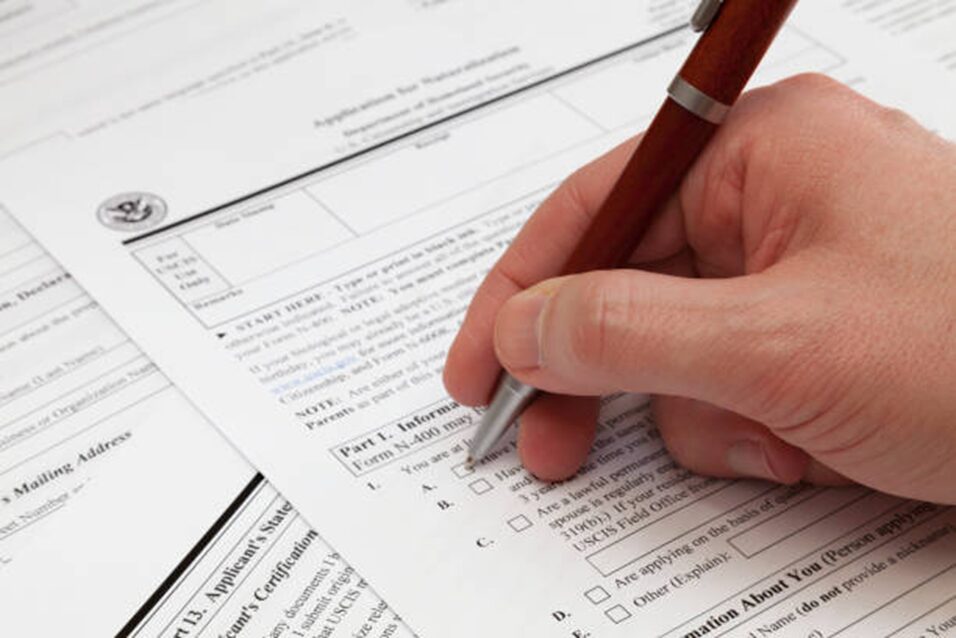
How Attorneys Prevent Processing Issues
Working with an experienced legal team provides couples with a strong advantage. An attorney reviews forms, helps prepare evidence, and catches inconsistencies before USCIS notices them. Firms like Sadri Law ensure every part of a petition is accurate and complete.
Attorneys also understand how officers review petitions, what evidence carries the most weight, and which common issues lead to delays.
In addition, an attorney monitors updates from USCIS and the National Visa Center so couples always know the status of their case.
Identifying risks before USCIS finds them
Legal teams look for problems such as inconsistent timelines, unclear documents, or weak evidence long before filing. Identifying these issues early prevents slowdowns during the review process.
Attorneys also ensure that translated documents meet USCIS standards, which avoids rejection or additional document requests.
Strong pre filing preparation often saves couples several months of waiting time.
Preparing for the Consular Interview
Once USCIS and the National Visa Center approve the petition, the foreign spouse must attend an interview at a United States embassy or consulate. Proper interview preparation is essential for avoiding delays.
Couples should prepare by reviewing their relationship timeline, organizing original documents, and practicing how to answer questions clearly. Officers typically ask about daily life, communication, and the history of the relationship.
Being calm, truthful, and well prepared helps ensure the interview is smooth and straightforward.
Conclusion
Avoiding delays in the CR1 and IR1 marriage visa process is possible when couples understand the rules, prepare strong evidence, and avoid common filing mistakes. Careful attention to detail and a well organized petition help speed up the immigration journey. Working with an experienced legal team also provides reassurance and guidance at every step. To receive tailored support with your marriage based immigration case, contact us for professional guidance and dedicated representation today.
Frequently Asked Questions
How long does the ir1 visa timeline usually take
Processing times vary, but most cases take several months. Timelines depend on USCIS workload, the embassy schedule, and the strength of the evidence provided.
How can couples strengthen marriage evidence
Couples can provide additional proof such as joint accounts, communication records, shared housing documents, and photos from important events.
Do RFEs mean the application will be denied
No. An RFE means USCIS needs more information. If couples respond quickly and provide strong evidence, the case usually continues without major issues.
Can attorney support speed up consular processing
Attorneys cannot change government timelines, but they can help ensure that everything is complete and accurate, which reduces the chances of delays.