
 Call Us Now
 E-Mail Us Now
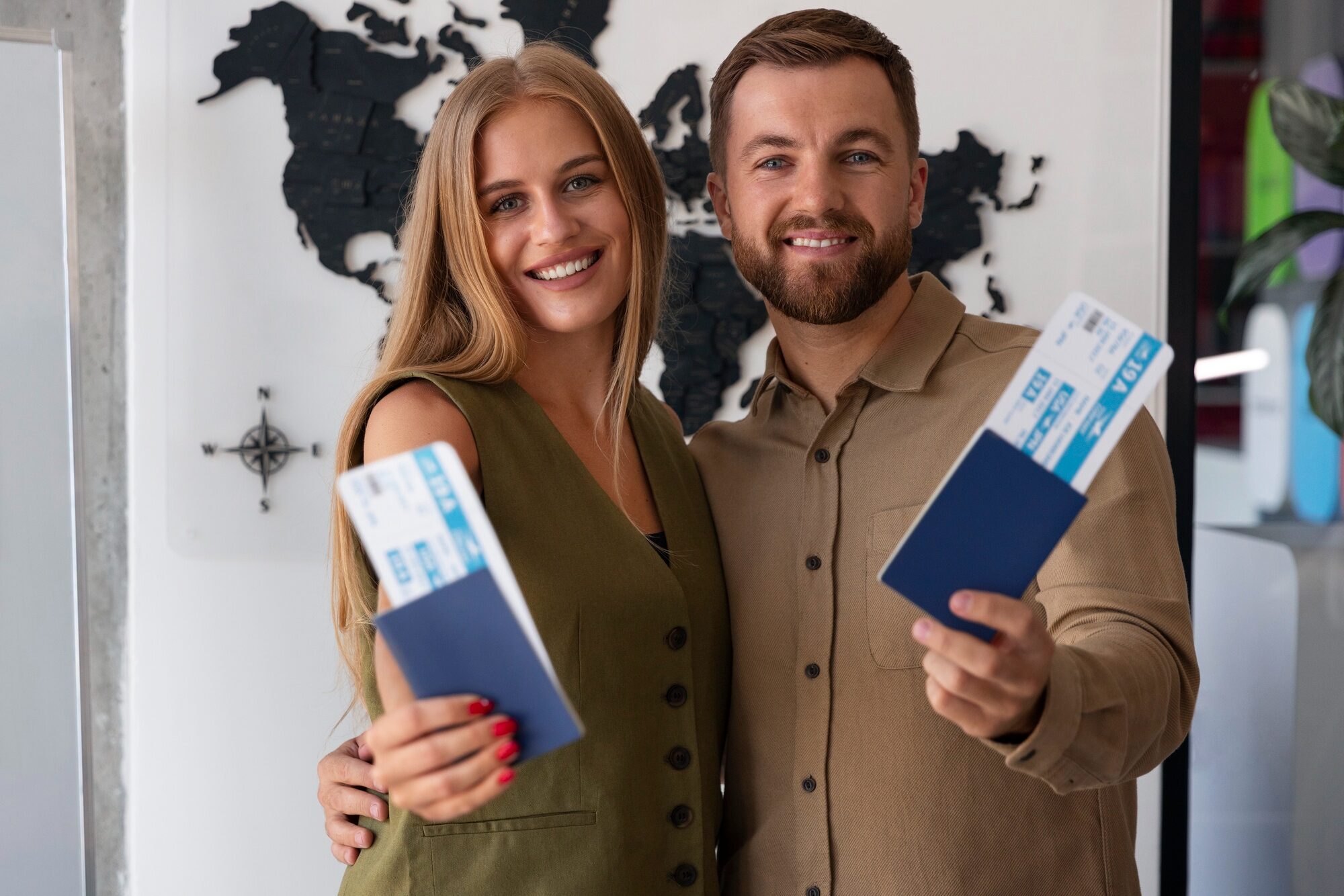
Reuniting with your spouse in the United States through a marriage-based visa can feel complex, especially with evolving immigration timelines and requirements. Working with an experienced immigration law firm can help simplify the process and ensure that all legal steps are handled correctly. The CR1 and IR1 visas are among the most reliable pathways for spouses of U.S. citizens or permanent residents to obtain lawful permanent residency. As of 2026, processing times, documentation standards, and interview expectations have become more structured but still require careful attention to detail. This guide explains every step clearly, helping you avoid delays and stay prepared throughout the process. Whether you are newly married or have been together for years, understanding how these visas work can make your journey smoother and more predictable.
What Are CR1 and IR1 Visas?
The CR1 and IR1 visas are immigrant visas issued to foreign spouses of U.S. citizens or lawful permanent residents. These visas allow the spouse to enter the United States as a permanent resident, meaning they receive a green card shortly after arrival. The difference between the two lies mainly in the duration of the marriage at the time of approval. While both visas lead to permanent residency, they come with slightly different conditions that applicants must understand before applying.
Key differences include:
- CR1 Visa (Conditional Resident):
- Issued if the marriage is less than 2 years old
- Grants a 2-year conditional green card
- IR1 Visa (Immediate Relative):
- Issued if the marriage is more than 2 years old
- Grants a 10-year permanent green card
Understanding this distinction is essential because CR1 visa holders must later file to remove conditions, while IR1 holders do not face that requirement.
CR1 vs IR1 Visa Timeline (2026)
Processing times have stabilized somewhat post-pandemic, but delays can still occur depending on case complexity and embassy workload. On average, applicants should expect the process to take over a year from start to finish. Staying proactive and submitting accurate documents can significantly reduce unnecessary waiting periods.
Typical timeline in 2026:
- Form I-130 approval: 9–12 months
- National Visa Center (NVC) processing: 2–5 months
- Embassy interview wait time: Varies by country
- Total estimated time: 12–18+ months
Applicants should regularly track their case status and respond quickly to any requests for additional evidence to avoid delays.
Step 1 – Meet the Basic Eligibility Criteria
Before starting the application process, couples must ensure they meet all eligibility requirements. The U.S. immigration system places strong emphasis on the legitimacy of the marriage and the financial ability of the sponsor. Missing or weak documentation at this stage can result in delays or even denial. Therefore, preparing thoroughly before filing is crucial for a smooth application process.
Basic eligibility requirements:
- A legally valid marriage recognized in the country where it occurred
- A sponsoring spouse who is a U.S. citizen or lawful permanent resident
- Proof of a genuine (bona fide) relationship, not solely for immigration purposes
Evidence of a bona fide marriage may include:
- Joint bank accounts and financial records
- Lease agreements or shared property documents
- Photos together over time
- Communication records (calls, messages, emails)
- Affidavits from friends or family
Strong documentation at this stage increases the chances of faster approval.
Step 2 – File Form I-130 (Petition for Alien Relative)
The process officially begins when the U.S.-based spouse files Form I-130 with USCIS. This petition establishes the relationship between the sponsor and the foreign spouse. It is one of the most important steps because errors here can lead to significant delays later in the process. Ensuring that all supporting documents are accurate and complete is critical.
Common mistakes to avoid:
- Submitting incomplete or unsigned forms
- Providing insufficient proof of marriage
- Using outdated versions of forms
- Paying incorrect filing fees
Processing typically takes several months, and applicants should monitor updates through the USCIS portal.
Step 3 – National Visa Center (NVC) Processing
Once USCIS approves the I-130 petition, the case moves to the National Visa Center. At this stage, applicants must submit additional documentation and pay required fees. This step ensures that all financial and civil requirements are met before scheduling the visa interview. Accuracy and consistency across all documents are essential to avoid delays.
Key steps at the NVC stage:
- Pay required fees:
- Affidavit of Support Fee: $120
- Immigrant Visa Fee: $325
- Complete and submit Form DS-260 online
- Upload required documents:
- Birth and marriage certificates
- Police clearance certificates
- Passport copies
- Financial documents (tax returns, W-2s, employment letters)
Proper document organization can significantly speed up approval at this stage.
Step 4 – Prepare for the Visa Interview
After the NVC reviews and approves all documents, an interview is scheduled at the U.S. embassy or consulate in the applicant’s home country. This is a critical step where immigration officers assess the authenticity of the relationship. Preparation is key, as even small inconsistencies can raise concerns.
To increase your chances of success:
- Review your entire application thoroughly
- Bring original documents along with copies
- Practice answering personal and relationship-related questions
- Dress professionally and remain confident
Applicants should focus on honesty and consistency rather than memorizing answers.
Step 5 – Medical Exam and Final Interview
Before attending the interview, applicants must complete a medical examination conducted by an approved physician. This ensures that the applicant meets health requirements for entry into the United States. The results are either sent directly to the embassy or provided in a sealed envelope.
During the interview, officers may ask questions such as:
- How did you and your spouse meet?
- What does your spouse do for work?
- When did you last see each other?
- What are your future plans together?
Answering calmly and truthfully is essential, as the goal is to verify the legitimacy of the marriage.
Step 6 – Visa Approval and Entry into the U.S.
Once the visa is approved, the applicant receives a visa packet and can travel to the United States. At the port of entry, immigration officers will review the documents and may ask a few questions. After entry, the spouse officially becomes a lawful permanent resident.
What to expect:
- Presentation of visa documents at entry
- Fingerprinting and identity verification
- Temporary proof of residency (I-551 stamp)
The physical green card is usually delivered within 30 to 60 days after arrival.
Step 7 – Understanding Residency Status
After entering the United States, the type of visa determines the next steps for maintaining residency. CR1 visa holders must take additional action to remove conditions, while IR1 holders enjoy long-term residency without immediate follow-up filings.
Residency differences:
- CR1 Visa:
- 2-year conditional green card
- Must file Form I-751 to remove conditions
- IR1 Visa:
- 10-year green card
- Renewal required before expiration
Understanding these requirements helps avoid future legal complications.
CR1 / IR1 Visa Cost Breakdown
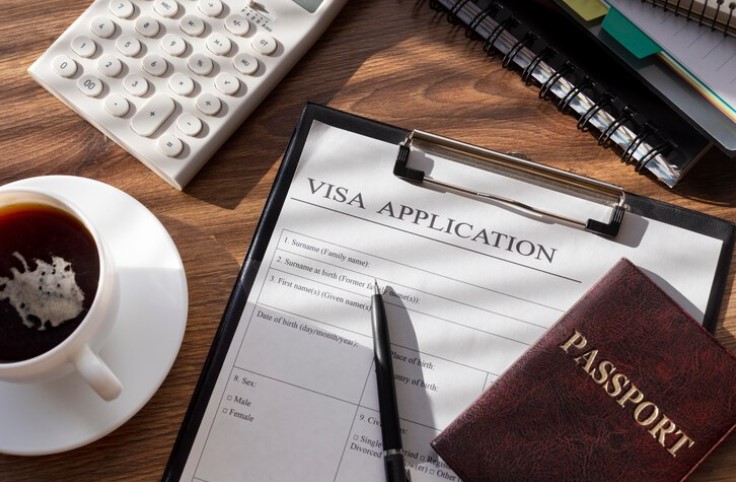
Understanding the financial commitment involved in the process is important for planning. While government fees are fixed, additional costs can vary depending on location and personal circumstances. Budgeting ahead ensures there are no unexpected financial obstacles during the process. For personalized guidance on managing these costs effectively, Contact Sadri Law today to receive expert support tailored to your situation.
Typical costs include:
- Form I-130 filing fee: $535
- NVC fees: $445
- Medical exam: $100–$500
- Travel and document costs: Varies
Tips to Avoid Delays
Delays are one of the most common frustrations in the visa process, but many can be avoided with proper preparation. Staying organized and proactive can make a significant difference in overall processing time.
Helpful tips:
- Submit complete and accurate applications
- Double-check all documents before submission
- Respond quickly to Requests for Evidence (RFE)
- Track your case regularly using official tools
Conclusion
The CR1 and IR1 visa process may seem overwhelming, but with proper preparation and a clear understanding of each step, it becomes much more manageable. From filing the initial petition to attending the final interview, every stage requires attention to detail and patience. While timelines can vary, staying informed and organized significantly improves your chances of success. For couples separated by borders, these visas offer a reliable path to reunification and a shared future in the United States. Seeking professional guidance can further simplify the journey and help avoid costly mistakes.
Frequently Asked Questions
1. What is the main difference between CR1 and IR1 visas?
The CR1 visa provides a 2-year conditional green card for newer marriages, while the IR1 visa grants a 10-year permanent green card for marriages older than two years.
2. How long does the CR1 or IR1 visa process take in 2026?
The process typically takes between 12 to 18 months, depending on processing times and embassy availability.
3. Can a green card holder apply for a CR1 visa?
Yes, lawful permanent residents can sponsor their spouse for a CR1 visa, but processing times may be longer than for U.S. citizens.
4. What happens after entering the United States on a CR1 visa?
You receive a conditional green card and must apply to remove conditions within two years.
5. Is an immigration lawyer necessary for the CR1 or IR1 process?
While not mandatory, an immigration lawyer can help ensure accuracy, avoid delays, and improve the chances of approval.